

Business Impact: Rebranding as a Strategic Lever in Growth Markets
Rebranding is often misunderstood as a cosmetic exercise. A new logo. New packaging. A refreshed look.
For Prunelle, rebranding was not about looking different. It was about preparing the brand for its next phase of growth. Expansion into new markets, new audiences, and new commercial contexts required more than visual refinement. It required strategic alignment.
This case study shows how rebranding, when approached correctly, becomes a business lever rather than a design decision.

The Growth Challenge Behind the Rebrand
Prunelle had already earned trust. The brand was known for its artisanal approach, quality ingredients, and strong product credibility. Locally, it carried equity and recognition.
The challenge was not relevance, but scalability.
As the brand prepared to expand into new markets, particularly in the GCC, cracks began to appear in how the brand was structured and expressed. What worked in a familiar context risked becoming limiting in a broader, more competitive landscape.
The question was not “How do we modernize Prunelle?”
It was “How do we make Prunelle travel without losing what made it valuable in the first place?”
Rebranding as a Business Decision
At Blackink, rebranding starts with a diagnosis, not a moodboard.
For Prunelle, the strategic work focused on three core questions:
What elements of the brand were non-negotiable?
What elements were holding the brand back from scaling?
How should the brand be interpreted by audiences who have no prior relationship with it?
This reframed the rebrand from a visual refresh into a business exercise. The objective was not change for the sake of change, but alignment between the brand’s ambition and its market perception.

Preserving Equity Without Freezing the Brand
One of the biggest risks in rebranding established brands is overcorrecting. In trying to look new, brands often erase the very signals that earned trust in the first place.
Prunelle’s heritage was not treated as a constraint. It was treated as an asset.
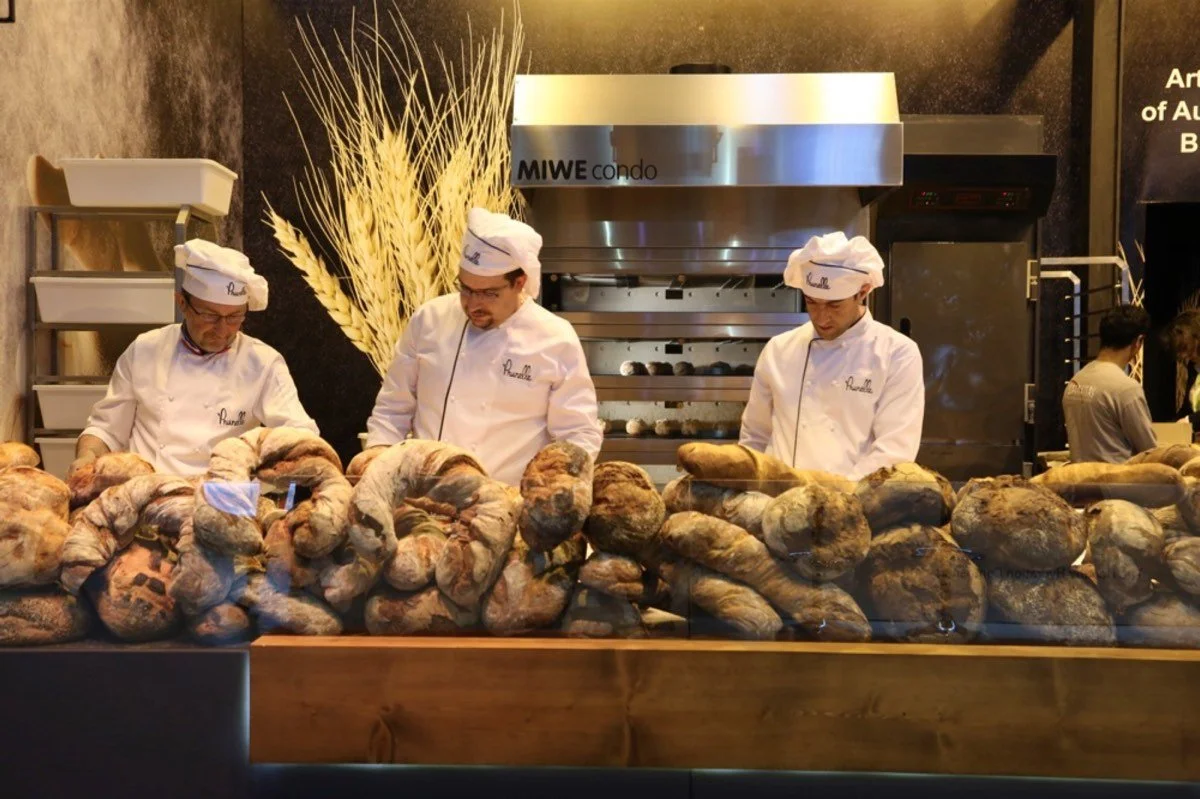
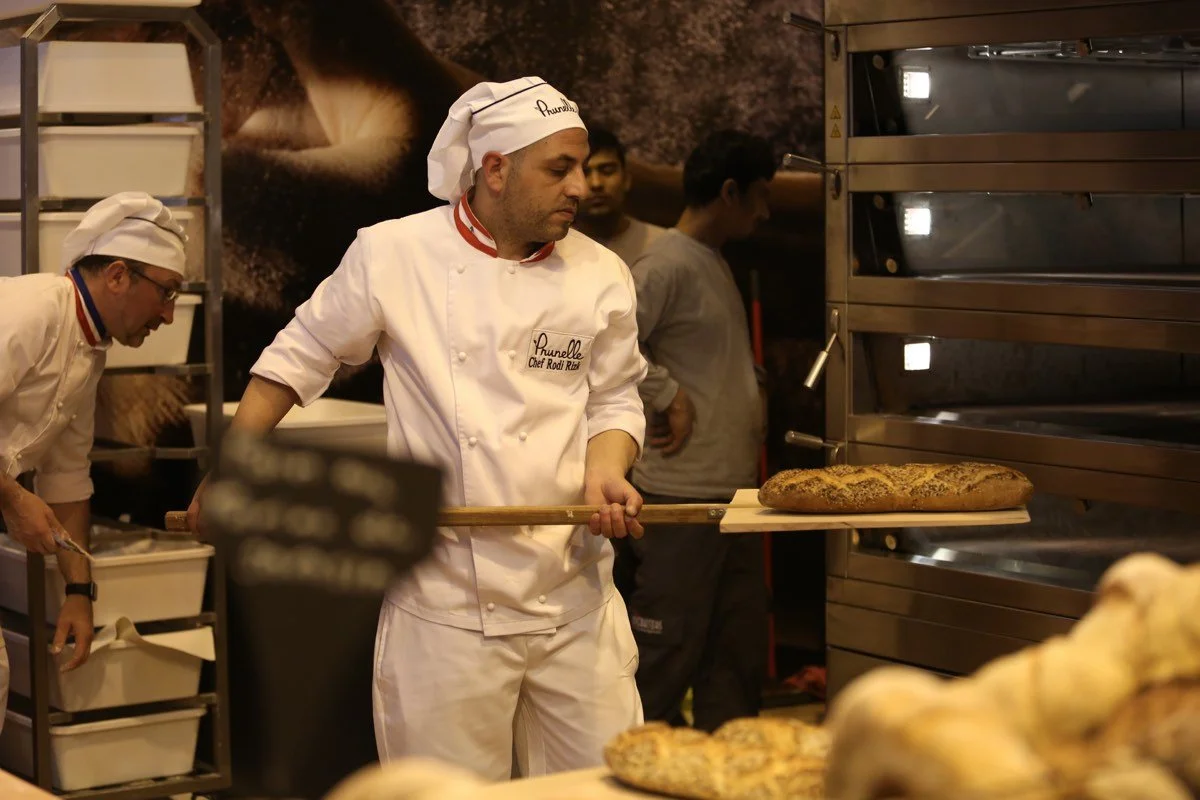
The rebrand focused on retaining the brand’s artisanal cues while refining how they were expressed. This ensured continuity for existing customers while making the brand more legible and appealing to new markets.
The result was not a break from the past, but a controlled evolution.
Building a System That Can Scale
Growth markets introduce complexity. Multiple retail environments. Different cultural contexts. New distribution channels.
To support this, Prunelle’s identity was redesigned as a system rather than a fixed aesthetic. Packaging, collateral, and brand assets were unified under a coherent structure that could adapt without fragmenting the brand.
This system-based approach allowed Prunelle to maintain consistency across touchpoints while remaining flexible enough to grow. It also reduced internal friction, making execution clearer for teams and partners operating in different markets.

Why Brand Guidelines Became a Growth Tool
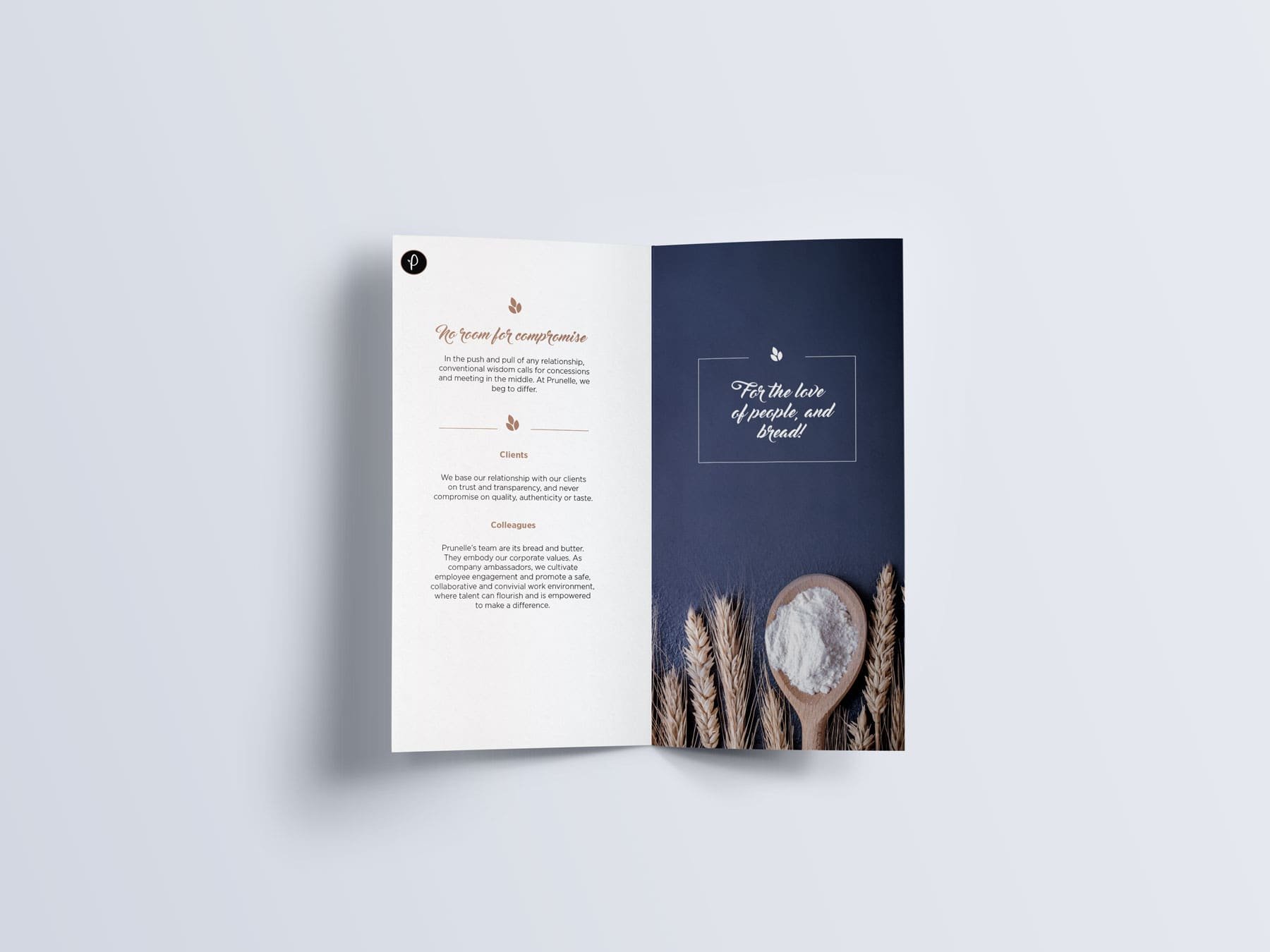
As Prunelle expanded, brand guidelines moved from being a reference document to a strategic asset.
Clear guidelines ensured that the brand would not dilute as it scaled. They aligned decision-makers, protected the brand’s integrity, and allowed new executions to feel cohesive rather than improvised.
In growth markets, inconsistency is costly. Prunelle’s rebrand anticipated this by embedding discipline into the brand system from the start.
The Business Impact of the Rebrand
Prunelle’s rebranding effort was not measured by aesthetics alone. Its value lay in what it enabled.
A clearer brand story for new markets
Stronger perceived value across retail and hospitality channels
Greater confidence in expansion and partnerships
A brand system designed for longevity, not short-term appeal
By treating rebranding as a strategic lever, Prunelle positioned itself to grow without losing identity, trust, or coherence.
At Blackink, we help brands reassess their foundations when growth introduces new pressure. Because expanding into new markets is not just a distribution challenge. It is a perception challenge.
If your brand has grown beyond its original context and you feel it may be holding you back rather than pushing you forward, it is often a signal that the brand needs to be redefined, not redesigned.
If this resonates, we are always open to a conversation.