

Strategic Brand Naming Case Study: How “GUUD” Built Meaning Beyond the Product
In a category crowded with clean labels and recycled packaging, healthy food brands often struggle to carve out meaningful differentiation. GUUD did not want another fresh-looking shelf identity. It needed a reason to exist in the minds of consumers. A reason that could spark connection, loyalty, and word of mouth.
GUUD is a purpose-led healthy food brand created to challenge the idea that nutritious eating is bland, elitist, or inaccessible. The founding team, alongside Blackink and partners at AGZIA, set out to build a brand that feels as good as it is. The strategy began not with packaging or color, but with naming and narrative. Two foundational elements that would shape every later touchpoint.
Naming as Strategy, Not Decoration
When product differences are minimal, as is often the case in organic and healthy food, the brand must do the heavy lifting. GUUD’s category was filled with competitors offering similar benefits, ingredients, and price points. Differentiation could not rely on the product alone. Meaning had to carry the weight.
The name GUUD was chosen for simplicity, memorability, and emotional resonance. It does not merely describe good food. It captures the feeling associated with eating well. The word is familiar, positive, and immediate. It communicates optimism and trust without explanation.
More importantly, it provided a verbal anchor for the entire brand. The name became the starting point for how the brand speaks, behaves, and shows up across every touchpoint. This is the role of strategic naming. A strong name frames perception and becomes a shortcut for meaning in the consumer’s mind.
In GUUD’s case, the name became shorthand for accessible healthy living. A simple word carrying emotional and functional promise.

Building a Narrative That Feels Human
Naming sets the foundation. Narrative gives the brand depth.
GUUD’s narrative is rooted in positivity, inclusivity, and joy. It reframes healthy eating as something enjoyable and empowering rather than restrictive or moralizing. The brand speaks to people who want to feel better without feeling judged.
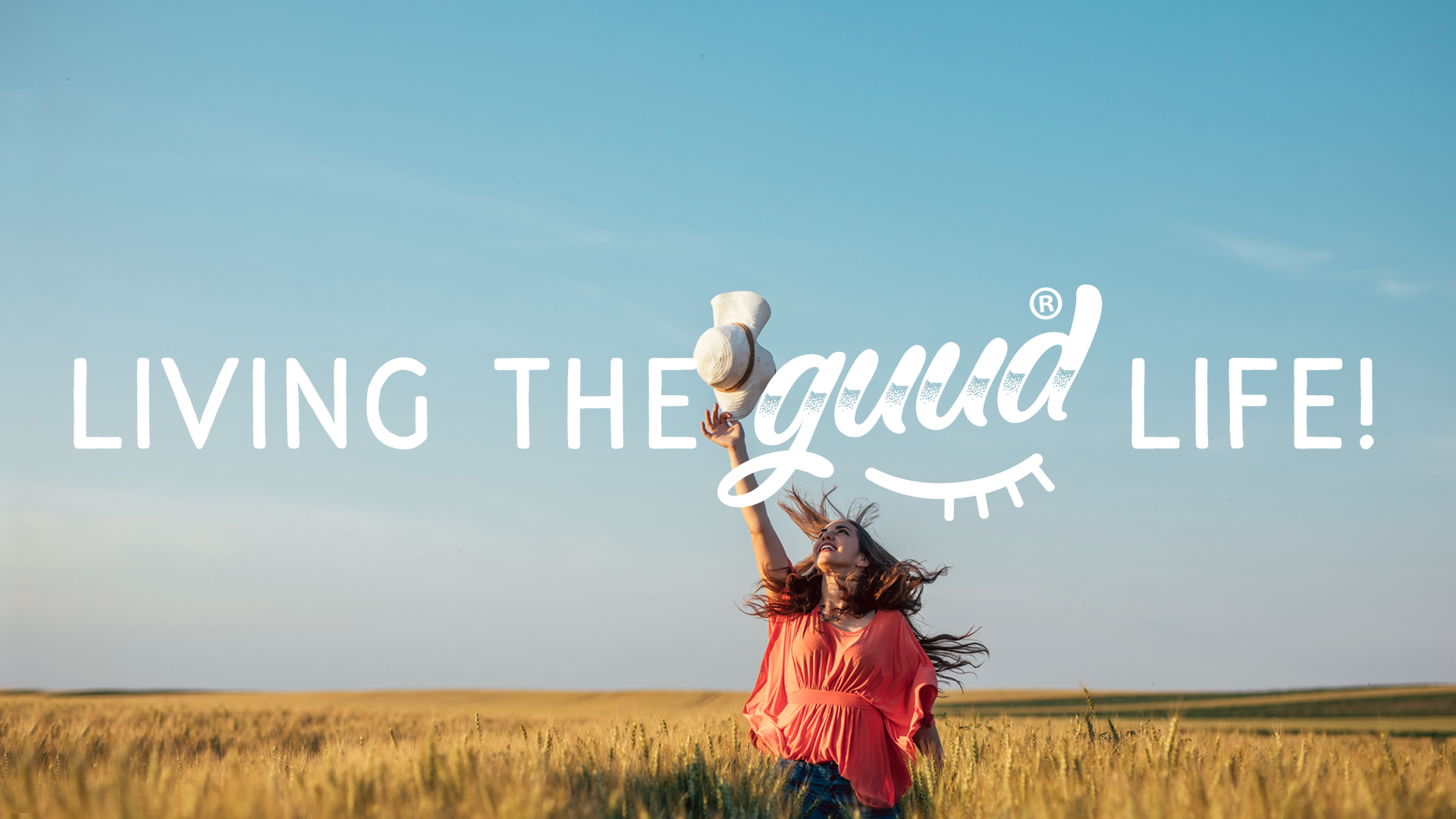
This narrative is reflected across the verbal identity. From the brand manifesto to its tagline, GUUD positions healthy living as a lifestyle that feels natural and attainable. Phrases like “Living Life. Eating Healthy. Feeling GUUD.” are not product claims. They are emotional invitations.
The goal was not to explain nutritional benefits, but to create emotional alignment. To make people feel that choosing GUUD is a reflection of how they see themselves and how they want to live.
Turning Naming Into a Brand System
GUUD’s naming was not treated as a one-off decision. It became the structure for the brand’s architecture.
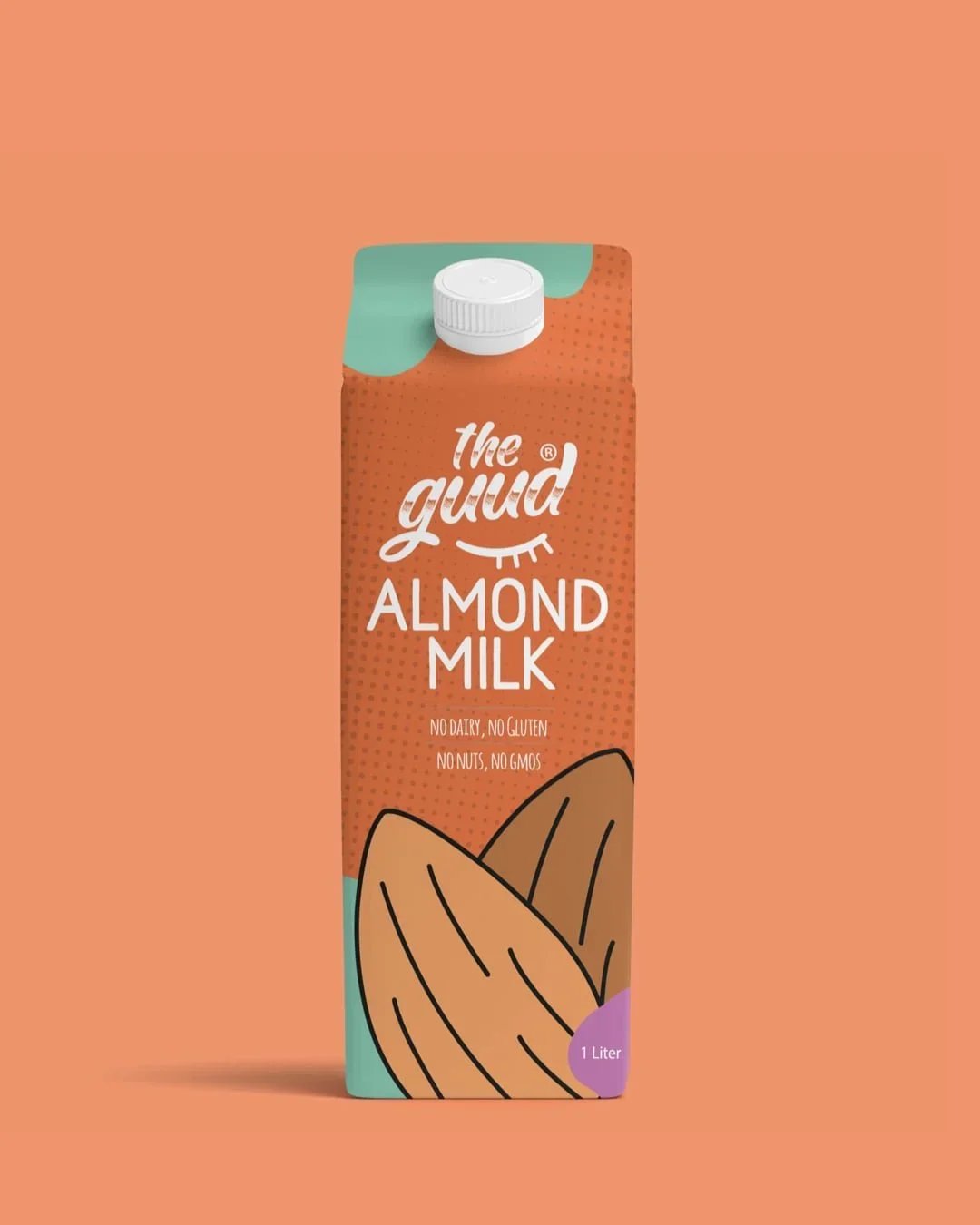
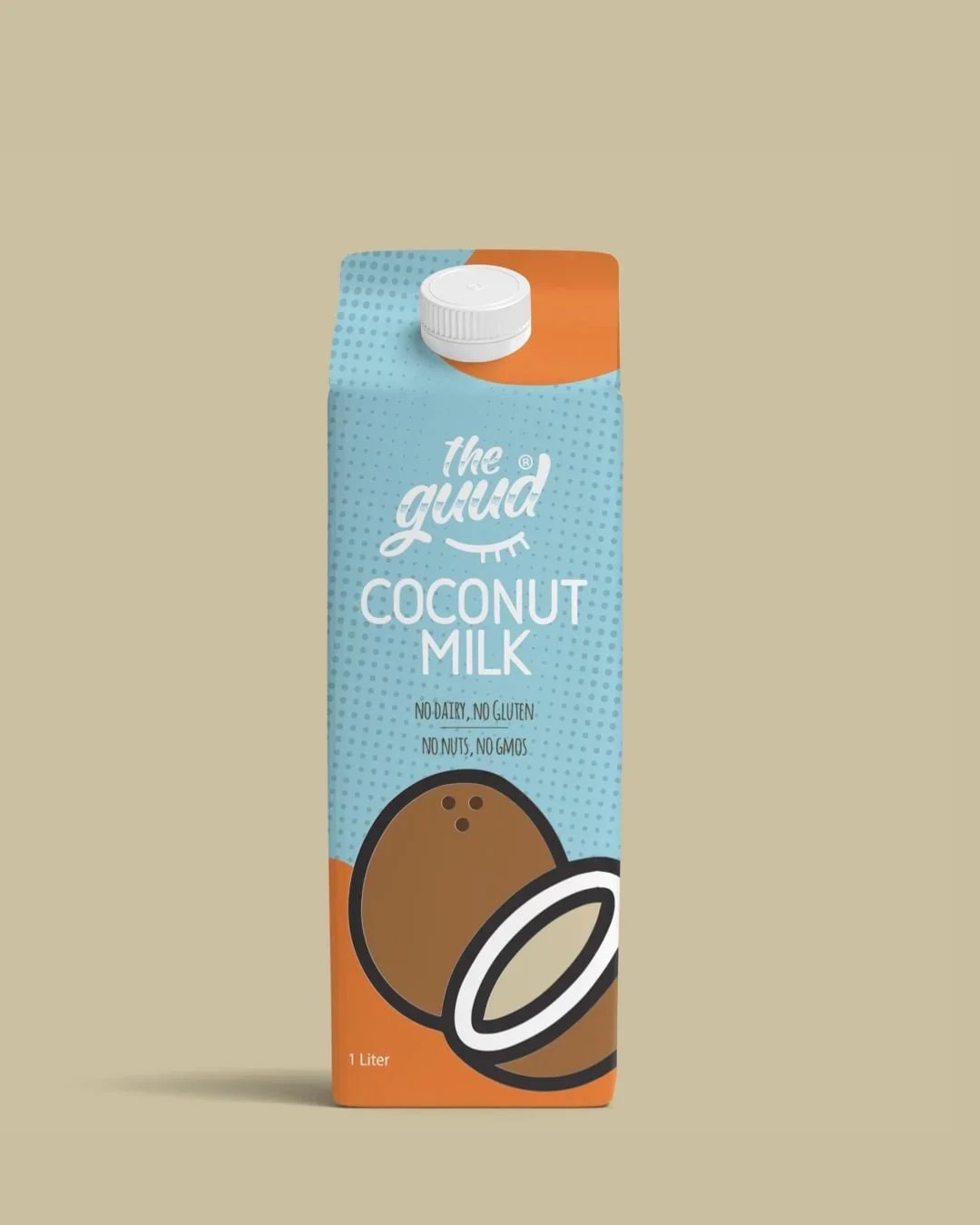
Each product name was developed to reinforce the core idea behind the brand. This created a consistent naming logic across the range, making the brand easier to recognize, recall, and extend.
This approach delivers two strategic advantages.
Memorability. Consumers recognize GUUD instantly across products.
Consistency. Every SKU reinforces the same brand language and promise.
Clarity at this level is not aesthetic. It is strategic. A coherent brand system reduces friction, builds trust, and strengthens perception in crowded retail environments.
Visual Identity as an Extension of Narrative
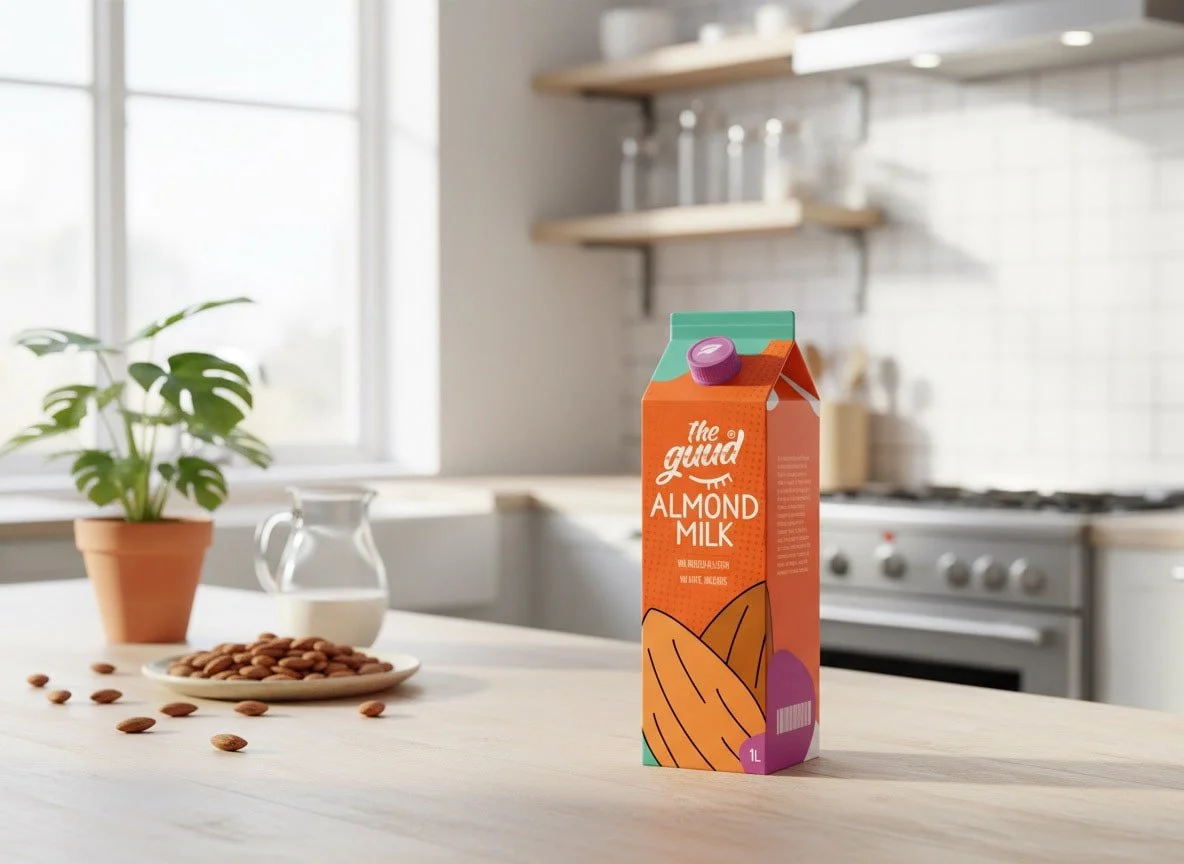
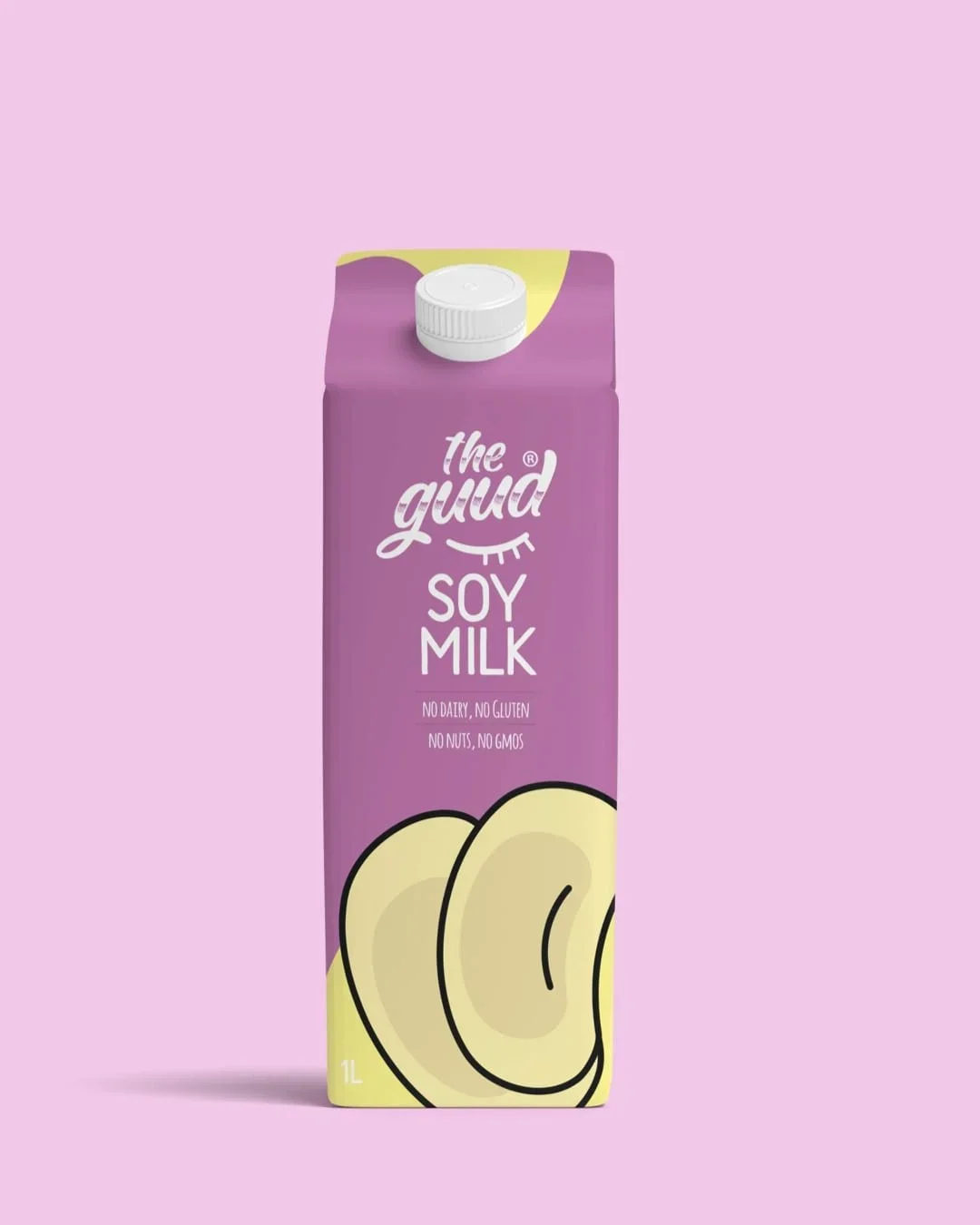
The brand narrative informed every visual decision. GUUD’s identity is warm, expressive, and vibrant. It mirrors the optimism embedded in the name and story.
The visual system was designed to be flexible, allowing the brand to expand into new categories without losing its voice. Packaging templates, typography, and color were built as tools rather than static assets.
Clear brand guidelines ensured that as the brand grows, its expression remains consistent. This allows different teams and partners to execute confidently without diluting the brand.
Why Naming and Story Came Before Design
GUUD shows why starting with naming and story changes the outcome of a brand. By defining what the brand stands for early on, every design and communication decision had a clear direction. Rather than decorating an idea, the team built the foundation first. This made alignment easier and ensured the brand was interpreted the right way in the market.
By investing early in meaning rather than decoration, GUUD positioned itself to:
Connect emotionally with its audience
Stand out in a crowded category
Maintain consistency across products
Build long-term recognition and loyalty
GUUD did not simply launch a healthy food product. It launched a brand built on intention, clarity, and emotional relevance. A brand designed to feel good at every level, from name to narrative to experience.
At Blackink, we work with founders and brand builders to turn ideas into brands people connect with and believe in. Because in crowded categories, you are not just launching a product. You are shaping how people feel, choose, and stay loyal over time.
If you are building a brand and sense that the name, story, or positioning is doing too little heavy lifting, that is usually the right moment to step back and define it properly.
If this resonates, we are always open to a conversation.